The Essential Guide to Fabric Inspection Equipment: Ensuring Quality Control in Textiles
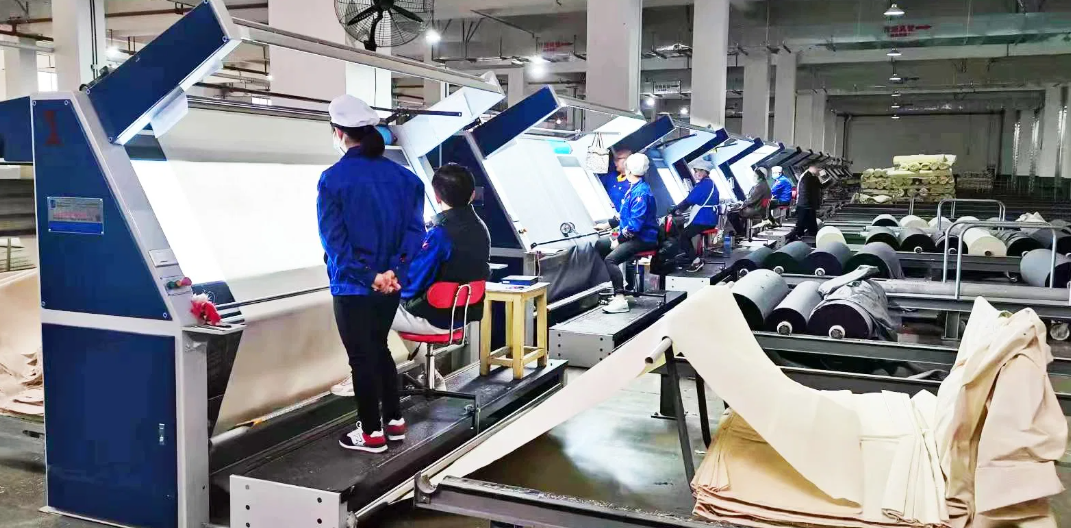
In the textile industry, the quality of fabric plays a pivotal role in the success of any business. Fabric defects can lead to significant financial losses, customer dissatisfaction, and damage to a brand’s reputation. Therefore, implementing effective quality control measures is crucial. One of the most important components of this process is the use of fabric inspection equipment. This article provides a comprehensive overview of the different types of fabric inspection equipment available, their functionalities, and how they contribute to maintaining quality standards in textiles.
Understanding Fabric Inspection
Fabric inspection involves a systematic examination of textile materials to identify defects, assess quality, and ensure that products meet specified standards before they proceed to production or sale. This process can be complex, given the variety of fabrics and their intended applications. Quality control in textiles not only focuses on visual inspections but also incorporates advanced technology through specialized fabric inspection equipment.
Types of Fabric Inspection Equipment
The market offers a wide range of fabric inspection equipment, each designed to fulfill specific quality control needs. Here are some of the most commonly used types:
1. Visual Inspection Tables
Visual inspection tables are essential for conducting manual inspections. These tables are equipped with bright lighting and a magnifying glass to help inspectors identify defects such as discoloration, stains, and other visual anomalies. Inspectors can place fabric samples on the table and examine them closely, ensuring that any irregularities are detected early in the production process.
2. Fabric Inspection Machines
Automated fabric inspection machines utilize advanced technology to streamline the inspection process. These machines can detect defects at high speeds, providing consistent results. They typically use cameras and image processing software to identify flaws such as holes, pulls, and weaving errors. By automating the inspection process, manufacturers can increase efficiency and reduce the risk of human error.
3. Color Fastness Testing Equipment
Color fastness is a critical aspect of fabric quality. Color fastness testing equipment evaluates a fabric’s resistance to fading or bleeding when exposed to various conditions, such as washing, light, and rubbing. This equipment helps ensure that the fabric maintains its appearance and integrity over time, meeting consumer expectations.
4. Fabric Weight Scales
Fabric weight plays a significant role in determining a material’s quality and suitability for specific applications. Fabric weight scales are used to measure the weight of fabric samples, allowing manufacturers to ensure that they meet specified standards. This equipment is crucial for maintaining consistency across different batches of fabric.
5. Dimensional Measurement Devices
Dimensional accuracy is vital in the textile industry, as it directly impacts the fit and performance of the final product. Dimensional measurement devices, such as tape measures and laser measurement tools, are used to verify that fabrics adhere to specified dimensions. This equipment helps prevent issues such as shrinkage or distortion during the manufacturing process.
The Role of Technology in Fabric Inspection
The integration of technology in fabric inspection has revolutionized quality control in the textile industry. Advanced software solutions can analyze data collected from various fabric inspection equipment, providing manufacturers with insights into quality trends and areas for improvement. By leveraging data analytics, companies can make informed decisions, reduce waste, and enhance overall product quality.
Benefits of Using Fabric Inspection Equipment
Investing in fabric inspection equipment offers several benefits to manufacturers, including:
1. Improved Quality Assurance
With the right fabric inspection equipment, manufacturers can detect defects early in the production process. This proactive approach helps ensure that only high-quality fabrics reach the market, ultimately enhancing customer satisfaction.
2. Increased Efficiency
Automated fabric inspection machines can perform inspections at speeds that far exceed manual processes. This increased efficiency allows manufacturers to process larger volumes of fabric without compromising on quality.
3. Cost Savings
By identifying defects before the production phase, manufacturers can reduce waste and save on costs associated with returns and rework. Quality control through fabric inspection equipment ultimately leads to more sustainable operations and increased profitability.
4. Enhanced Brand Reputation
Consistently delivering high-quality products builds trust and credibility with customers. By implementing effective fabric inspection processes, manufacturers can strengthen their brand reputation and foster long-term customer loyalty.
Conclusion
In conclusion, fabric inspection equipment is an essential component of quality control in the textile industry. From visual inspection tables to automated fabric inspection machines, each type of equipment plays a vital role in ensuring that fabrics meet the highest quality standards. By embracing technology and implementing robust inspection processes, manufacturers can enhance product quality, improve efficiency, and ultimately succeed in a competitive market. Investing in the right fabric inspection equipment is not just a quality control measure; it is a strategic business decision that can drive long-term success in the textile industry.