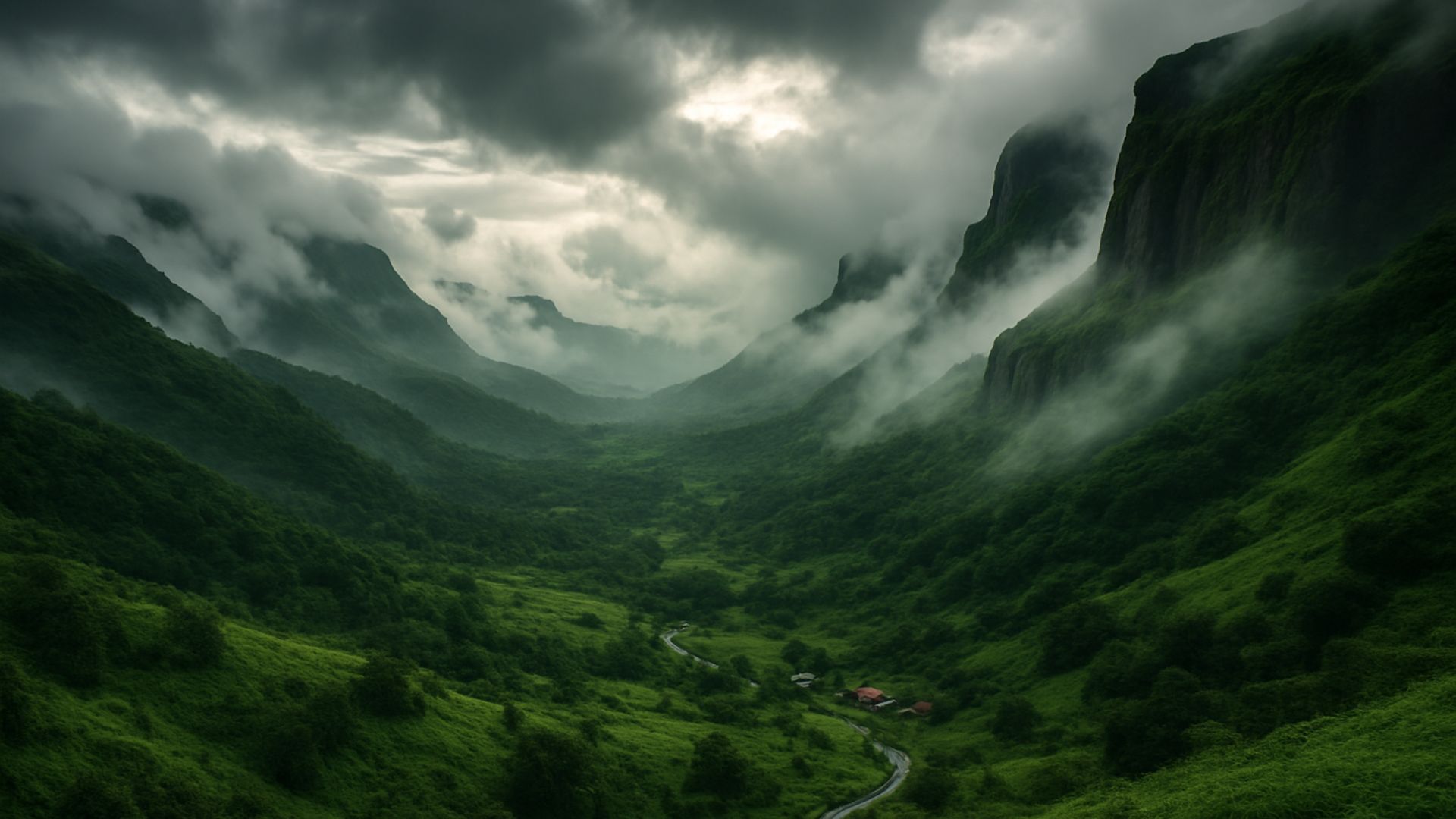
Uncharted Horizons: Where Wanderlust Meets the Unknown

Introduction & Background
Travel has always been more than just moving from one place to another. It is an exploration of cultures, landscapes, and the deepest parts of ourselves. In a world that often feels mapped and measured, there remains a thriving desire to venture beyond the known. This is where wanderlust meets the unknown, creating experiences that shape identities and spark lifelong memories. For centuries, explorers, artists, and dreamers have been drawn to uncharted horizons, seeking not only distant lands but also the thrill of discovery. Today, that spirit lives on in travelers who refuse to settle for the ordinary. Whether it is hiking through dense forests, sailing across vast oceans, or stepping into bustling markets in foreign cities, the call to explore remains as powerful as ever. The significance of such journeys goes beyond mere sightseeing. They foster understanding, resilience, and a sense of connection with the world and each other.
Concept & Overview
The idea of uncharted horizons represents the pursuit of experiences that lie outside familiar boundaries. It is not about escaping reality but about embracing it in its rawest form. Wanderlust, the deep yearning to travel, often intersects with this desire to explore the unknown. This combination pushes individuals to step outside their comfort zones, challenge their perceptions, and grow in unexpected ways. At its core, an uncharted horizon is less about physical places that have never been visited and more about the mindset of approaching life with curiosity and openness. It is about seeing the world through fresh eyes, whether in a remote village or a crowded city square. The concept also highlights the importance of being present in the moment, savoring each detail, and allowing the journey to unfold naturally. In a time when technology and globalization have made information accessible instantly, the allure of the unknown remains undiminished. It reminds us that some of life’s greatest lessons are learned not from screens but from stepping into the unfamiliar.
Key Features & Highlights
- Cultural Immersion: The opportunity to live among locals, learn traditions, and witness daily life in ways that tourists rarely experience.
- Adventure & Challenge: Activities like trekking in the Himalayas, diving in unexplored reefs, or navigating ancient trade routes that test physical and mental limits.
- Personal Growth: Moments of self-discovery that come from facing fears, overcoming obstacles, and adapting to new environments.
- Authentic Connections: Building relationships with people whose lives are vastly different, creating bonds that transcend language and borders.
- Sustainable Exploration: Traveling responsibly by respecting local ecosystems, supporting community-based tourism, and minimizing environmental impact.
Frequently Asked Questions / Pros & Cons
What are the benefits of seeking uncharted horizons?
Traveling to less-trodden paths offers unique advantages. It allows travelers to avoid crowds, experience genuine hospitality, and discover hidden gems that guidebooks often overlook. It also encourages creativity, as new surroundings inspire fresh ideas and perspectives. Moreover, such journeys often lead to personal breakthroughs, fostering confidence and adaptability. The absence of familiarity forces individuals to rely on their instincts and problem-solving skills.
What challenges might one face when exploring unknown places?
Venturing into uncharted territory is not without risks. Language barriers, unfamiliar customs, and lack of infrastructure can pose difficulties. Health concerns, such as inadequate medical facilities or food safety issues, also become more pressing. Security risks may be higher in remote or politically unstable regions. Additionally, the emotional toll of homesickness or culture shock can be underestimated. Proper planning and research are essential to mitigate these challenges.
How can someone prepare for a journey into the unknown?
Preparation begins with thorough research about the destination’s culture, climate, and local laws. Learning basic phrases in the local language can bridge communication gaps. Packing light yet wisely, including essential supplies and emergency contacts, is crucial. Health precautions, such as vaccinations and travel insurance, should never be overlooked. It is also wise to connect with fellow travelers or locals who have experience in the area.
Is solo travel to remote places safe?
Solo travel to remote destinations can be safe with the right precautions. Choosing well-reviewed accommodations, staying in populated areas, and sharing itineraries with trusted individuals are smart practices. Trusting instincts and avoiding risky situations at night are equally important. While solitude can be empowering, it is also wise to stay connected through regular check-ins with friends or family.
Practical Guidance & Solutions
Embarking on a journey to uncharted horizons requires both preparation and adaptability. Start by setting clear goals for the trip, whether it is cultural immersion, adventure, or spiritual reflection. Choose destinations that align with your interests and comfort level, and gradually ease into more remote locations as your confidence grows. Packing should focus on versatility, including clothing suitable for various climates and sturdy gear for outdoor activities.
Before departure, create a flexible itinerary that balances structure with spontaneity. Book accommodations in advance when possible, but leave room for serendipitous discoveries. Learn about local customs to avoid unintentional offense, and carry small gifts to share with hosts as a sign of respect. Staying flexible also means being open to changing plans when unexpected opportunities arise.
Technology can be a useful tool, but do not rely solely on it. Download offline maps, carry a portable charger, and save important documents in secure digital formats. Yet, disconnecting periodically allows for deeper engagement with surroundings and people. Keeping a travel journal can help process experiences and reflect on personal growth.
Safety should always be a priority. Register with your country’s embassy if traveling to high-risk areas, and maintain a low profile to avoid drawing unwanted attention. Carrying a basic first-aid kit and knowing how to access local emergency services are practical steps that can make a significant difference.
Conclusion
The allure of uncharted horizons is timeless because it speaks to a fundamental human desire: to grow, to wonder, and to connect. Whether it is the whisper of a distant call or the pull of an unexplored trail, these journeys remind us that the world is vast and full of possibilities. They challenge us to see beyond our immediate surroundings and embrace the beauty of the unknown. In return, we gain more than just photographs or souvenirs. We carry home stories, lessons, and a renewed sense of wonder that enriches every aspect of life. So, pack your bags with an open heart and a curious mind. The next horizon is waiting, and it promises to change you in ways you never imagined.