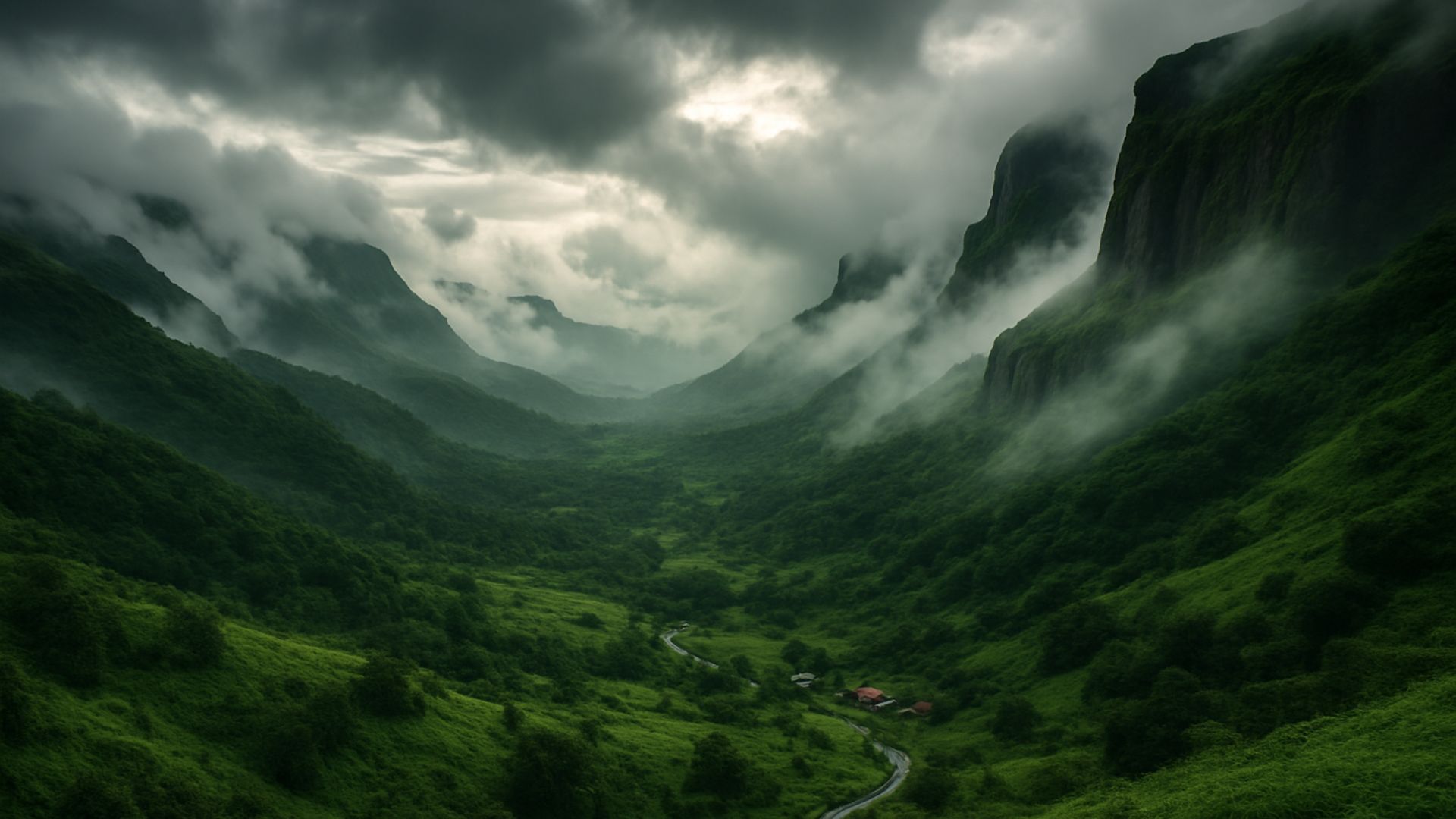
Uncharted Trails: Fresh Adventures Await Beyond the Map

Uncharted Trails: Fresh Adventures Await Beyond the Map
In an era where the world feels increasingly mapped, plotted, and documented, there remains a quiet rebellion—a call to venture beyond the well-trodden paths and discover the uncharted. The phrase “beyond the map” is more than a metaphor; it’s an invitation to explore the edges of the known, where spontaneity meets discovery and the ordinary transforms into the extraordinary. Whether you’re an intrepid traveler, an adventurous local, or simply someone seeking to break free from routine, the promise of fresh adventures lies in those spaces that exist just beyond the boundaries of conventional itineraries.
The Allure of the Unknown
There’s a magnetic pull to the unknown, a thrill that stems from the uncertainty of what lies ahead. Unlike destinations that come pre-packaged with TripAdvisor reviews and Instagram filters, uncharted trails offer a raw, unfiltered experience. These are places where your senses are heightened, your curiosity piqued, and your connection to the environment deepens. It’s the difference between following a pre-marked hiking trail and striking off into the wilderness, where every step is a discovery.
Consider the remote villages tucked away in mountain ranges, the hidden coves along rugged coastlines, or the dense forests where few have wandered. These places aren’t just locations on a map; they’re living, breathing entities that reveal themselves only to those willing to step off the beaten path. The allure isn’t just about the destination but the journey itself—the unexpected encounters, the moments of solitude, and the stories that unfold along the way.
Why Seek the Unexplored?
In a world where algorithms curate our every preference, venturing into the unknown can feel like reclaiming a piece of your own humanity. Here’s why seeking out uncharted trails is more than just a hobby—it’s a necessity for the soul:
- Rediscovering Wonder: The familiar can become monotonous. By stepping into the unknown, you reignite a sense of wonder that modern life often dulls. Whether it’s the first light of dawn over an untouched horizon or the sound of a language you don’t understand, the unknown reminds you that the world is vast and full of surprises.
- Personal Growth: Leaving your comfort zone is where growth happens. Navigating uncharted territory—whether geographical or metaphorical—builds resilience, adaptability, and confidence. It teaches you to trust your instincts and embrace the beauty of the unpredictable.
- Sustainable Exploration: Over-tourism strains fragile ecosystems and erodes local cultures. By seeking out lesser-known destinations, you minimize your impact and often contribute more meaningfully to the communities you visit. Sustainable travel isn’t just about reducing your carbon footprint; it’s about leaving a positive footprint.
- Authentic Connections: When you stray from the tourist hotspots, you’re more likely to engage with locals, hear their stories, and witness traditions that haven’t been commodified for visitors. These interactions often become the most cherished memories of any journey.
How to Embrace the Uncharted
Venturing beyond the map doesn’t require a passport full of stamps or a hefty budget. It’s a mindset as much as it is a physical journey. Here are some ways to start exploring the uncharted in your own life:
1. Start Small, Think Big
You don’t need to book a flight to a remote island to find uncharted trails. Begin locally:
- Explore a neighborhood you’ve never visited before, paying attention to details you’ve overlooked.
- Take a different route on your daily commute and observe how the landscape changes.
- Visit a local park or nature reserve at a different time of day—dawn or dusk can reveal a whole new world.
2. Embrace the Art of Getting Lost
Getting lost is often romanticized in travel literature, but in reality, it can be daunting. However, it’s also where some of the most transformative experiences happen. To make it less stressful:
- Be Prepared, Not Paranoid: Carry a basic map, a power bank, and some snacks, but resist the urge to over-plan every detail.
- Talk to Locals: A simple question like “Where do you go to escape the crowds?” can lead to hidden gems.
- Let Go of Perfection: The goal isn’t to “conquer” a place but to immerse yourself in its rhythm, even if it means taking a wrong turn.
3. Seek Out the Unusual
The uncharted isn’t always about physical distance; it’s about perspective. Look for experiences that defy expectations:
- Attend a festival or event in a small town where tourists rarely venture.
- Volunteer with a local conservation project to see a place from the inside out.
- Take a class in something completely unfamiliar, like traditional pottery or foraging for wild edibles.
4. Use Technology Wisely
While technology can sometimes feel like the enemy of exploration, it can also be a tool for discovering the uncharted. Use it to your advantage:
- Offline Maps: Download maps of areas you plan to visit so you can navigate without relying on data.
- Local Apps: Use apps like AllTrails for hiking or Meetup to find events and gatherings in off-the-beaten-path locations.
- Social Media, But Differently: Follow local photographers or bloggers who live in the places you’re interested in, rather than relying solely on influencer content.
5. Travel with an Open Heart
The most profound adventures often happen when you’re open to the unexpected. This means:
- Letting Go of Plans: Allow room for spontaneity. Some of the best experiences come from saying “yes” to an opportunity that wasn’t on your itinerary.
- Being Present: Put your phone away (or at least out of reach) and soak in your surroundings without the distraction of documenting every moment.
- Accepting Imperfection: Not every adventure will be Instagram-worthy, and that’s okay. The messy, unfiltered moments often become the best stories.
Stories from the Uncharted
To illustrate the magic of uncharted trails, here are a few real-life stories from those who’ve ventured beyond the map:
A Night Under the Stars in the Mongolian Steppe
Sarah, a travel writer from London, had always dreamed of seeing the Northern Lights. She booked a tour to Tromsø, Norway, but decided to extend her trip by traveling solo to the Mongolian steppe. There, she slept in a traditional ger (a round felt tent) under a sky so clear it felt like the universe was within arm’s reach. She woke up to the sound of horses galloping and a local herder offering her fermented mare’s milk—a far cry from the tourist traps of Scandinavia.
The Hidden Waterfalls of Vietnam’s Central Highlands
Mark, a backpacker from Australia, had spent weeks in Vietnam’s bustling cities and crowded beaches. On a whim, he took a bus to Kon Tum, a province in the Central Highlands rarely visited by foreigners. There, he hiked for hours through dense jungle, guided only by a local farmer who spoke limited English. The reward? A series of cascading waterfalls where he was the only person swimming. The farmer shared stories of his village’s history, and Mark left with a deeper appreciation for the country’s cultural diversity.
The Abandoned Village of Craco, Italy
Claire, a history enthusiast, stumbled upon the ghost town of Craco while researching her family’s Italian roots. Unlike the more famous abandoned towns in Italy, Craco isn’t a tourist destination—it’s a crumbling relic frozen in time, with buildings tilted at surreal angles due to erosion. She wandered its empty streets, imagining the lives once lived there, and felt a profound connection to the past. The experience was hauntingly beautiful, a reminder of how history lingers in the most unexpected places.
The Ethical Explorer’s Guide
As you venture into the uncharted, it’s important to do so responsibly. The goal isn’t just to find hidden gems but to leave them intact for future explorers. Here’s how to travel ethically:
- Respect Local Customs: Research the cultural norms of the place you’re visiting. Dress appropriately, ask before taking photos of people, and be mindful of sacred sites.
- Minimize Your Impact: Follow the principles of Leave No Trace: pack out what you pack in, stay on designated paths, and avoid disturbing wildlife. In fragile ecosystems, even small actions can have big consequences.
- Support Local Economies: Instead of buying souvenirs from international chains, purchase from local artisans. Eat at family-run restaurants, hire local guides, and stay in locally owned accommodations.
- Give Back: Consider volunteering with a conservation project or donating to a local cause. Even small contributions can make a difference in communities that rely on tourism.
- Share Responsibly: If you document your journey, avoid geotagging sensitive locations or revealing the exact whereabouts of vulnerable communities. Social media can amplify both awareness and exploitation.
Beyond the Map, Into the Soul
The uncharted isn’t just a destination; it’s a philosophy. It’s a reminder that the world is far bigger and more mysterious than the maps we’ve drawn for it. It’s an invitation to slow down, to look closer, and to embrace the beauty of the unexplored—whether that’s a trail in your own backyard or a distant land that calls to you.
So, the next time you feel the pull of routine, or the weight of the familiar, consider stepping off the map. Let curiosity be your compass, and adventure your guide. The trails may be uncharted, but the rewards—personal growth, authentic connections, and a deeper connection to the world—are immeasurable.
Where will your journey beyond the map take you?