The Impact of American Travel on Local Economies
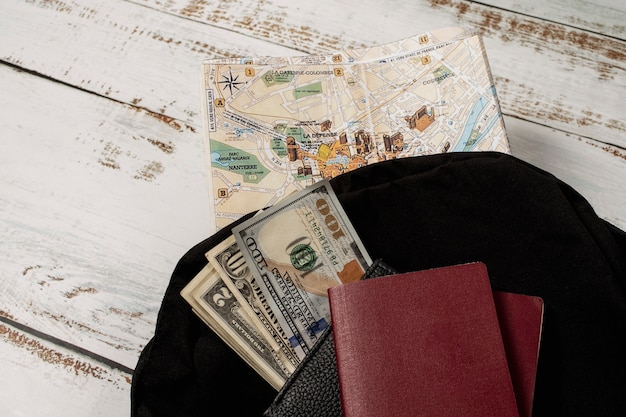
American travel is more than just a journey; it is a significant force driving local economies across the country. With millions of people traversing the United States each year, the impact of travel on U.S. economies is profound and multifaceted. From bustling cities to serene small towns, tourism plays a pivotal role in shaping economic landscapes, enhancing livelihoods, and fostering cultural exchange.
The Economic Ripple Effect
When travelers explore new destinations, their spending creates a ripple effect throughout local economies. This influx of revenue benefits a myriad of sectors, including hospitality, dining, retail, and entertainment. Every dollar spent by tourists contributes to the local economy, creating jobs and sustaining businesses that might otherwise struggle. In fact, tourism can be a lifeline for many communities, especially those reliant on seasonal visitors.
For example, consider a small town famous for its annual festival. The festival attracts thousands of visitors, significantly boosting local businesses. Hotels experience increased bookings, restaurants enjoy higher foot traffic, and artisans sell their crafts. This surge in activity not only generates immediate economic benefits but also fosters community pride and collaboration among local entrepreneurs.
Job Creation and Employment Opportunities
One of the most tangible benefits of travel is job creation. The economic effects of American tourism extend beyond direct employment in travel-related sectors. Local economies see an uptick in job opportunities in various industries, including transportation, event planning, and retail. According to the U.S. Travel Association, the travel industry supports millions of jobs nationwide, offering diverse employment options for residents.
Moreover, tourism often leads to the development of infrastructure, such as improved roads, airports, and public transportation. These enhancements benefit both tourists and locals alike, creating a more interconnected community and facilitating further economic growth. As travel continues to flourish, the demand for a skilled workforce increases, prompting educational institutions and training programs to align with industry needs.
Supporting Local Businesses
The symbiotic relationship between travelers and local businesses is a cornerstone of the impact of travel on U.S. economies. Tourists seek authentic experiences, and local establishments provide just that. From family-owned restaurants to unique boutiques, visitors are eager to support businesses that reflect the character of the community.
This patronage fosters a sense of pride among business owners, encouraging them to invest in their establishments and improve their offerings. In turn, this creates a more vibrant local economy. For instance, a craft brewery may begin offering tours, attracting visitors interested in the brewing process. This not only increases sales for the brewery but also draws attention to other local attractions, further enriching the visitor experience.
Preservation of Cultural Heritage
Travel also plays a vital role in preserving local culture and heritage. As visitors flock to historical sites, museums, and cultural festivals, communities are incentivized to maintain and showcase their unique identities. The revenue generated from tourism often funds the preservation of landmarks and cultural institutions, ensuring that future generations can appreciate their history.
Additionally, tourism encourages the revival of traditional arts and crafts. Local artisans can thrive by sharing their skills with a broader audience. This exchange enriches the cultural tapestry of the region, fostering an environment of learning and appreciation. Visitors not only gain insight into the local culture but also contribute to its continuity and evolution.
Challenges and Considerations
While the benefits of travel are undeniable, it is essential to acknowledge the challenges that accompany increased tourism. Popular destinations may experience issues such as overcrowding, environmental degradation, and rising living costs for residents. Communities must find a balance between embracing tourism and preserving their quality of life.
Sustainable tourism practices have emerged as a solution to mitigate these challenges. By prioritizing eco-friendly initiatives and community engagement, destinations can create a more harmonious relationship between travelers and locals. This approach ensures that the benefits of tourism are shared equitably and that the local culture and environment are respected.
Travel’s Role in American Economic Growth
In the grand scheme of things, travel is a catalyst for American economic growth. The role of travel in American economic growth is multifaceted, driving innovation, creativity, and entrepreneurship. As communities evolve to accommodate the needs of travelers, they often discover new opportunities for economic diversification.
Innovative business models emerge, and local entrepreneurs harness the power of technology to enhance visitor experiences. From mobile apps that guide tourists to hidden gems to platforms that connect travelers with local guides, the possibilities are endless. These advancements not only improve the travel experience but also empower communities to thrive in an ever-changing economic landscape.
Conclusion
The impact of American travel on local economies is significant and far-reaching. By supporting local businesses, creating jobs, and preserving cultural heritage, tourism contributes to a vibrant economic ecosystem. As communities embrace the potential of travel, they foster an environment of growth and resilience. With a thoughtful approach to tourism, the benefits can be maximized, ensuring that American travel continues to enrich lives and support local economies for generations to come.